Групповые занятия йогой in 2024: what's changed and what works
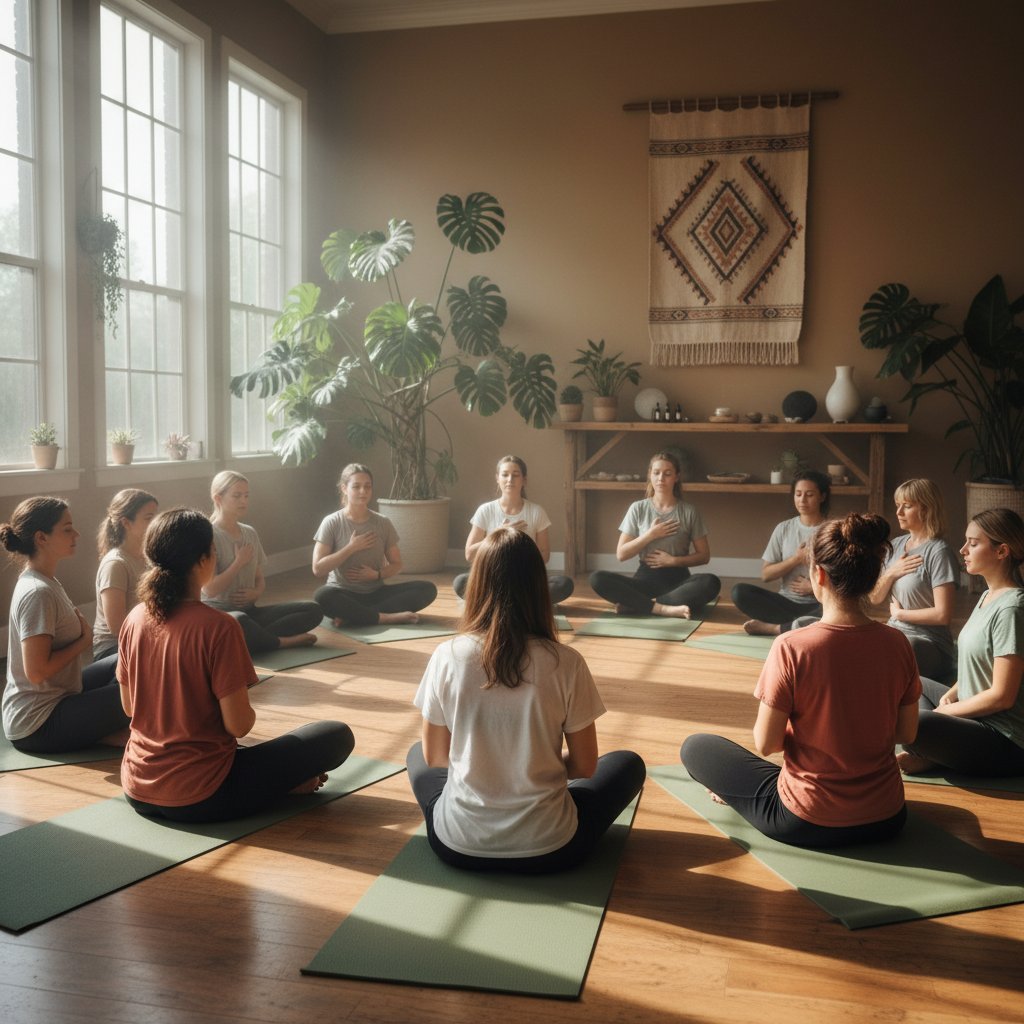
Group yoga classes have transformed dramatically over the past year. Studios that once packed 30 sweaty bodies into rooms designed for 20 are now rethinking everything from air filtration to class size. Meanwhile, the hybrid model that started as a pandemic Band-Aid has evolved into something nobody expected: a permanent fixture that's actually improving the experience.
Let's dig into what's actually working in 2024 and what changes are here to stay.
What's Actually Changed in Group Yoga This Year
1. The Sweet Spot is 12-15 People (Not 25+)
Studios have discovered that smaller classes aren't just safer—they're more profitable. When instructors can actually see what students are doing, injury rates drop by roughly 40% according to data from Yoga Alliance's 2024 studio survey. This means fewer liability claims and better word-of-mouth marketing.
The economics work too. Charging $28-32 per class for 15 people generates similar revenue to cramming 25 bodies at $18 each, but with half the wear on facilities. Studios like Brooklyn's Tangerine Hot Yoga cut their HVAC costs by 30% after reducing class sizes while maintaining the same monthly revenue.
Smaller groups also mean teachers can offer real adjustments instead of shouting modifications across a crowded room. Students progress faster, stick around longer, and actually renew those memberships.
2. Hybrid Isn't Dead—It's Just Getting Smarter
The studios still offering online options aren't treating Zoom classes like afterthoughts anymore. They've invested in proper camera setups that actually show the instructor's alignment from multiple angles. Some use two or three cameras switched by an assistant, while others mount cameras on automated tracking systems that follow the teacher around the room.
Here's the surprise: hybrid memberships generate 23% more annual revenue per customer than in-person-only packages. People show up to the studio for challenging workshops and special events, then maintain their practice at home during busy weeks. CorePower Yoga reported that hybrid members attend an average of 3.2 classes per week versus 2.1 for studio-only members.
3. Specialty Classes Are Crushing Generic "All Levels"
The days of one-size-fits-all vinyasa flow are fading fast. Studios are carving out specific niches and watching their retention rates climb. Classes like "Yoga for Cyclists," "Menopause Movement," or "Desk Worker Recovery" fill up faster than generic offerings because they solve actual problems.
Wanderlust Studios in Denver launched "Hangover Yoga" on Sunday mornings—gentle movement with emphasis on hydration breaks and lots of child's pose. It became their most attended class within six weeks. People don't want to be everything to everyone anymore; they want solutions tailored to their specific bodies and lifestyles.
The marketing practically writes itself when you target specific communities. Rock climbers share "Climber's Yoga" with their gym buddies. New parents tell other exhausted parents about "Yoga with Babies in the Room." Specificity sells.
4. Air Quality Became a Competitive Advantage
Studios that installed proper HEPA filtration systems and CO2 monitors aren't just preventing illness—they're using it as a selling point. Displaying real-time air quality readings on screens near the entrance builds trust faster than any Instagram post about "wellness."
Hot yoga studios especially benefited from this investment. When you can prove your air exchanges completely every 8 minutes and humidity stays below 60%, people feel comfortable sweating in close proximity again. This seemingly boring infrastructure upgrade drove a 35% increase in hot class attendance at studios that promoted their air systems versus those that didn't.
5. Pay-Per-Class is Making a Comeback
Unlimited memberships dominated for years, but the 2024 trend is toward flexibility. Studios offering punch cards (10 classes for $220-260) or single-class drop-ins ($25-30) are attracting younger practitioners who hate subscription fatigue.
The math works because these students often spend more annually than unlimited members who attend 2-3 times monthly. Someone buying two 10-class packs per year plus occasional workshops drops $600-700 versus $150/month unlimited members who ghost after six months.
Class packs also create urgency. That expiration date (usually 6 months) actually motivates people to show up rather than thinking "I'll go tomorrow" indefinitely.
6. Sound Systems Got Serious Upgrades
Teachers are ditching the tinny Bluetooth speakers for actual sound systems with proper bass response. This matters more than you'd think—students report feeling more immersed when they can actually feel the music's vibration during savasana.
Studios investing $800-1500 in decent speakers and acoustic panels noticed something unexpected: their classes got described as "transformative" more often in reviews. The sensory experience matters as much as the poses themselves. Nobody's achieving transcendence while straining to hear instructions over distorted treble.
The Bottom Line
Group yoga in 2024 isn't about going back to 2019. The studios thriving right now took pandemic adaptations and refined them into something better than what existed before. Smaller classes, smarter technology, specialized offerings, and attention to environmental details are separating packed studios from struggling ones.
The practitioners who stuck with yoga through the weird years have higher expectations now. They've experienced home practice and know when a studio is phoning it in versus creating something worth leaving the house for. That's not a challenge—it's an opportunity to finally get things right.